Korean Bibimbap
Highlighted under: Global World Food Collection
A delicious and colorful Korean dish that combines rice with an assortment of vegetables, meat, and a fried egg, all topped with spicy gochujang sauce.
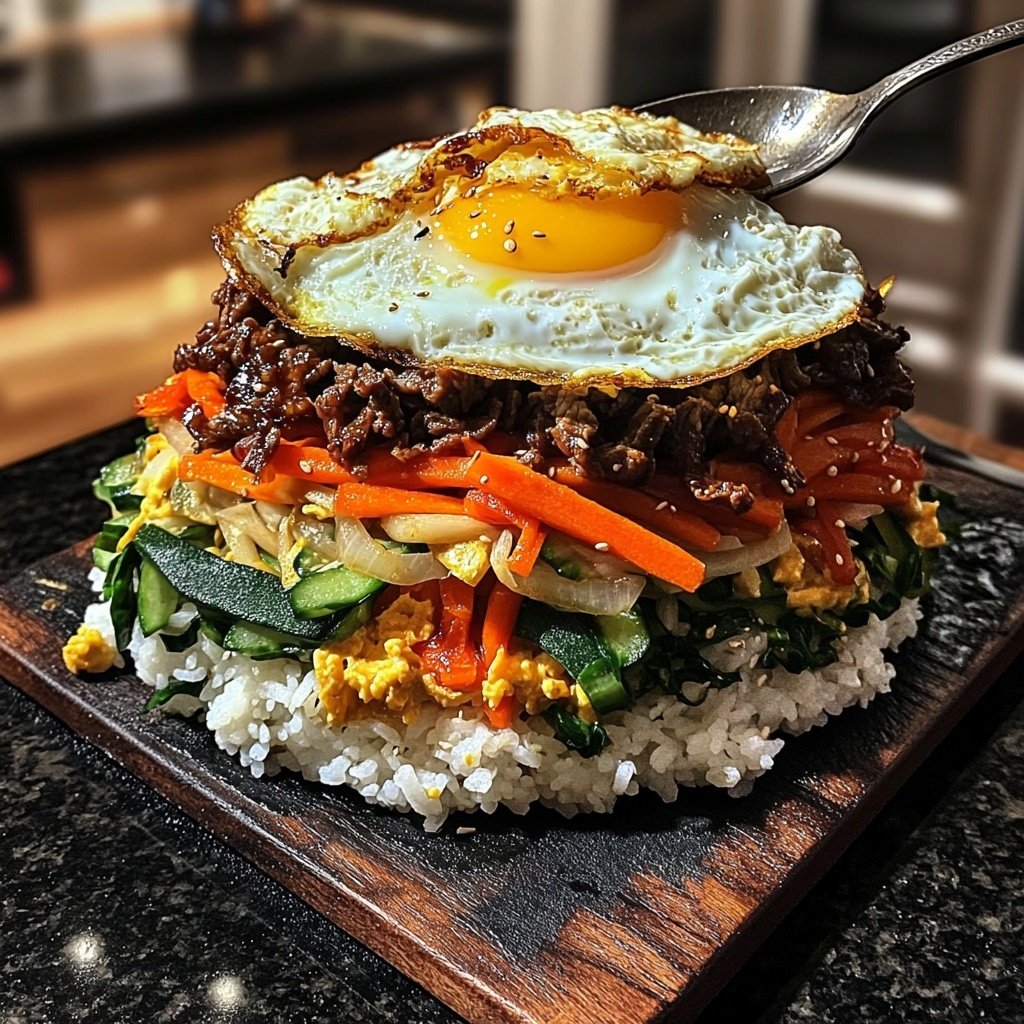
Korean Bibimbap is a traditional dish that showcases the vibrant flavors and colors of Korean cuisine. It's not just a meal; it's an experience where you get to mix all the ingredients together for a delightful combination of textures and tastes.
Why You'll Love This Recipe
- A wholesome and nutritious meal in one bowl
- Customizable with your choice of vegetables and proteins
- Perfectly balanced flavors with a kick of spice
What is Bibimbap?
Bibimbap is a traditional Korean dish that translates to 'mixed rice.' This colorful meal is a beautiful representation of Korean cuisine, showcasing a variety of flavors and textures. It's made by topping a bowl of warm, cooked rice with assorted vegetables, proteins, and a fried egg. The dish is typically completed with a generous dollop of gochujang, a spicy and slightly sweet Korean chili paste, which adds depth and heat to every bite.
The beauty of bibimbap lies in its versatility. You can easily customize it according to your preferences or dietary needs. Whether you are a meat lover or a vegetarian, you can choose from an array of ingredients to create a perfectly balanced meal. The vibrant colors of the vegetables not only make the dish visually appealing but also ensure you’re getting a wide range of nutrients in one bowl.
The Health Benefits of Bibimbap
Bibimbap is not just delicious; it's also a nutritious choice for any meal. Packed with fresh vegetables, this dish provides essential vitamins and minerals that contribute to a balanced diet. Spinach and bean sprouts are particularly rich in antioxidants and fiber, while the addition of protein—beef or tofu—offers necessary amino acids to nourish the body.
Furthermore, the healthy fats from sesame oil and the egg contribute to satiety, making bibimbap a filling option without being overly heavy. The dish can be enjoyed as a wholesome lunch or dinner, offering both energy and nourishment. Plus, the spicy gochujang can boost metabolism, making the dish not only delightful but also beneficial for your health.
Serving Suggestions
While bibimbap is delicious on its own, you can elevate the experience by pairing it with traditional Korean side dishes, known as banchan. Kimchi, for example, adds a tangy and spicy kick that complements the flavors of the bibimbap beautifully. Other options like pickled radishes or seasoned seaweed can provide additional textures and tastes, making your meal even more enjoyable.
For a more communal dining experience, consider serving bibimbap in a hot stone bowl, known as dolsot. This not only keeps the rice warm but also creates a delightful crispy layer at the bottom of the bowl, adding a unique crunch to each bite. Don't forget to have extra gochujang on the side for those who enjoy a little more heat!
Ingredients
Gather all the ingredients before you begin to make the cooking process smoother.
Ingredients for Bibimbap
- 2 cups cooked white rice
- 1 cup spinach, blanched
- 1 cup bean sprouts, blanched
- 1 carrot, julienned
- 1 zucchini, julienned
- 100g of beef or tofu, sliced
- 2 eggs
- 2 tablespoons gochujang (Korean chili paste)
- 1 tablespoon sesame oil
- Salt and pepper to taste
- Sesame seeds for garnish
Make sure to prepare all ingredients ahead of time for an efficient cooking experience.
Instructions
Follow these steps closely to create your delicious Bibimbap!
Prepare the Ingredients
Start by cooking the rice according to package instructions. While the rice is cooking, prepare the vegetables and protein of your choice.
Sauté the Vegetables
In a skillet, heat a bit of sesame oil and sauté the carrots and zucchini until tender. Season with salt and pepper. Set aside.
Cook the Protein
In the same skillet, cook the beef or tofu until nicely browned. Season as desired and set aside.
Fry the Eggs
Fry the eggs sunny-side up in a little oil until the whites are set but the yolks are still runny.
Assemble the Bibimbap
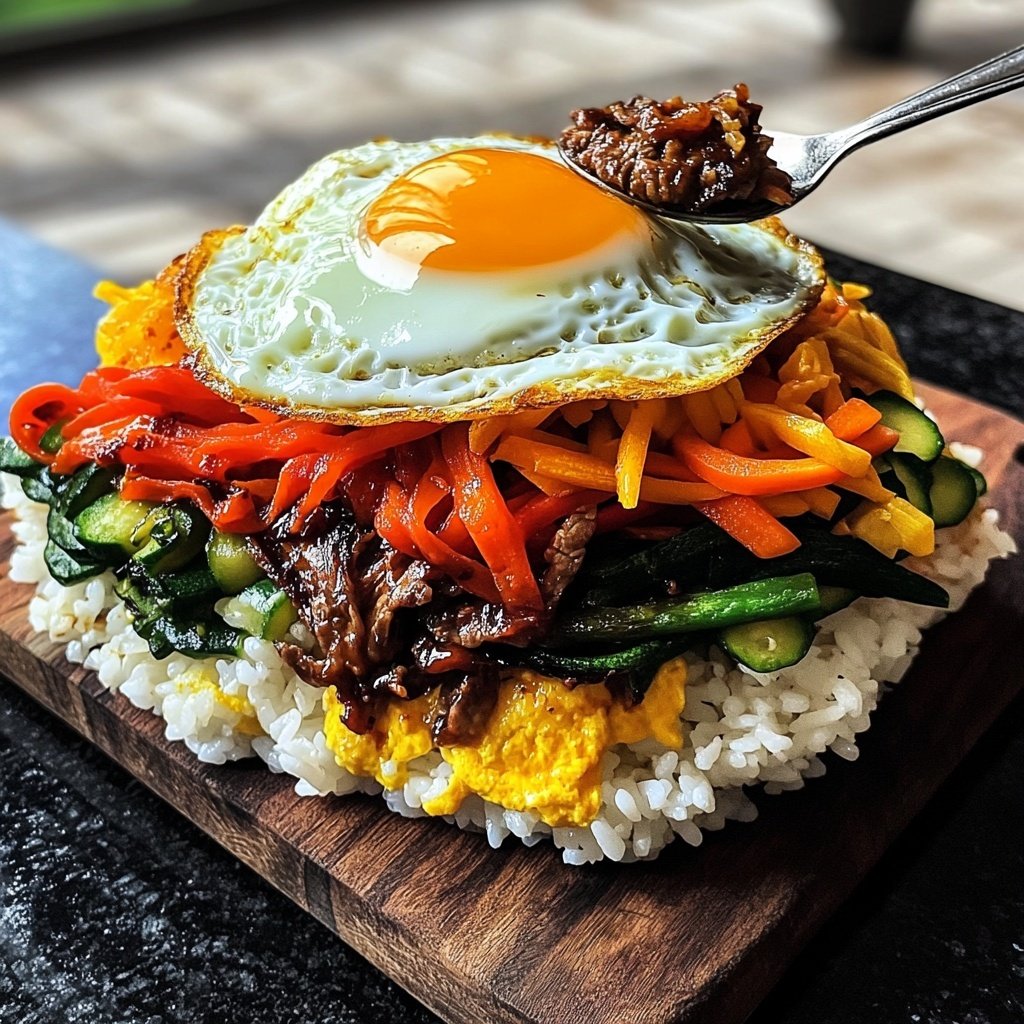
In a bowl, layer the cooked rice, sautéed vegetables, protein, and top with a fried egg. Drizzle with gochujang and sesame oil. Garnish with sesame seeds.
Serve
Mix all the ingredients together before eating to enjoy all the flavors in every bite.
Enjoy your homemade Korean Bibimbap!
Pro Tips
- Feel free to customize this dish with your favorite vegetables and proteins for a personal touch.
Tips for the Perfect Bibimbap
To achieve the best flavors in your bibimbap, ensure that all your ingredients are prepared and seasoned well. Each vegetable should be sautéed separately to retain its distinct taste, as mixing them together too early can lead to a loss of flavor. Don't hesitate to experiment with different vegetables like mushrooms, bell peppers, or even sprouts to find your favorite combination.
Another tip is to use slightly cooled rice. When the rice is too hot, it can cook the vegetables or egg further, altering the intended textures. Perfectly cooked and cooled rice will help keep the components of your bibimbap fresh and vibrant.
Storing Leftovers
If you have leftover bibimbap, it can be stored in an airtight container in the refrigerator for up to three days. However, the best way to enjoy bibimbap is fresh. When reheating, consider using a stovetop method to regain some of the original textures. Add a splash of water to the skillet and cover it to create steam, which will help warm the rice without drying it out.
While the fried egg may not retain its perfect sunny-side-up texture when reheated, you can quickly fry a new egg to top your leftovers for that traditional bibimbap finish. Enjoy your leftover bibimbap with a fresh drizzle of gochujang to revive its flavors!
Questions About Recipes
→ Can I make Bibimbap vegetarian?
Absolutely! You can substitute the meat with tofu or additional vegetables.
→ What if I can't find gochujang?
You can use sriracha or another spicy chili paste as an alternative, but the flavor will differ.
→ How can I make this dish gluten-free?
Ensure that the gochujang and any soy sauces used are gluten-free.
→ Can I prepare the ingredients in advance?
Yes, you can pre-cook the vegetables and protein, and store them in the fridge until you are ready to assemble the Bibimbap.
Korean Bibimbap
Created by: Isabella Clark
Recipe Type: Global World Food Collection
Skill Level: Intermediate
Final Quantity: 2 servings
What You'll Need
Ingredients for Bibimbap
- 2 cups cooked white rice
- 1 cup spinach, blanched
- 1 cup bean sprouts, blanched
- 1 carrot, julienned
- 1 zucchini, julienned
- 100g of beef or tofu, sliced
- 2 eggs
- 2 tablespoons gochujang (Korean chili paste)
- 1 tablespoon sesame oil
- Salt and pepper to taste
- Sesame seeds for garnish
How-To Steps
Start by cooking the rice according to package instructions. While the rice is cooking, prepare the vegetables and protein of your choice.
In a skillet, heat a bit of sesame oil and sauté the carrots and zucchini until tender. Season with salt and pepper. Set aside.
In the same skillet, cook the beef or tofu until nicely browned. Season as desired and set aside.
Fry the eggs sunny-side up in a little oil until the whites are set but the yolks are still runny.
In a bowl, layer the cooked rice, sautéed vegetables, protein, and top with a fried egg. Drizzle with gochujang and sesame oil. Garnish with sesame seeds.
Mix all the ingredients together before eating to enjoy all the flavors in every bite.
Extra Tips
- Feel free to customize this dish with your favorite vegetables and proteins for a personal touch.
Nutritional Breakdown (Per Serving)
- Calories: 500 kcal
- Total Fat: 20g
- Saturated Fat: 4g
- Cholesterol: 186mg
- Sodium: 400mg
- Total Carbohydrates: 70g
- Dietary Fiber: 5g
- Sugars: 3g
- Protein: 18g